Category Archives: Nutrition Info

Should You Be Taking Vitamins?

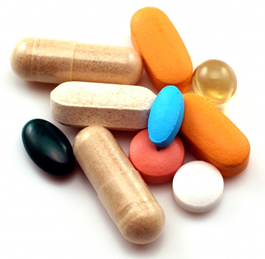
image It’s a question I have been asked numerous times before, “Why do I need to eat a bunch of fruits and vegetables when I can just take a multivitamin everyday?” The answer: fruits and vegetables contain an incomparable nutrition package. They contain nutrients we are only just beginning to discover and understand, such as phytochemicals and other antioxidants. And, they contain these elements in perfectly proportioned amounts, that our bodies have evolved to absorb and utilize optimally. Vitamins, on the other hand, contain large amounts of relatively few nutrients, most of which will leave our bodies unabsorbed.

I am a big advocate of getting as much of your nutritional needs as possible from food.  Personally, at this stage of my life, I do not take any vitamin supplements. I eat a balanced diet, and I feel confident that I’m getting everything my body needs from my food.  Vitamin supplements are no excuse for a poor diet! That said, there are certain people that may benefit from taking vitamins.  Women who are pregnant, or who might become pregnant, may likely benefit from a prenatal vitamin.  Elderly people and very petite women who have lower calorie requirements may find it difficult to obtain all the nutrients they need from their food, and may benefit from a daily multivitamin.  Young girls who are lactose intolerant or do not consume much dairy may benefit from a calcium supplement to ensure they reach their peak bone mass. (These are just some examples. If you are unsure about your own vitamin/mineral needs, talk to your doctor.)

Additionally, some vitamins have toxic upper levels that you dimageo not want to  surpass by taking vitamins.  In particular, fat soluble vitamins (Vitamins A,D,E and K) have toxic upper limits.  If you are taking mega-doses of any of these vitamins, you may want to reconsider.  Also, don’t forget that many foods these days are fortified with vitamins (breakfast cereals, power bars, weight loss shakes, etc.), so be sure to factor those into your count.

So, to sum it up: Get your vitamins from your food first! Then supplement if you still need to, but don’t overdo it.


Corporate Wellness: Why Every Company Should Have a Program

Corporate wellness is an emerging trend, and one of my primary areas of  interest.image

What is “Corporate Wellness?”

Corporate wellness is the integration of preventative health services into the workplace.  It can include health fairs with preventative medical screenings, lunch-and-learn presentations by health professionals, health coaching, and behavior change challenges.

Why the workplace?

Current research shows that every $1 spent on a corporate wellness program saves employers an average of $6 in health care costs and regained productivity. According to the Texas Commissioner of State Health Services, “The link between employee wellness and the bottom line is clear and consistent. Employers who integrate wellness in their overall objectives find they experience reduced absences, better morale, reduced health risks, and reduced health-care costs.”  Employee health care costs are on the rise. Currently, employers spend an average of $5000 each year per employee on health care costs. Less than 5% of those costs go to preventative care.  Now is the time for companies to invest in a corporate wellness program for their employees.

A Few Success stories

  • Johnson & Johnson claims to have saved $38 million in health-care costs for its employees between 1995 and 1999 by promoting healthy lifestyles. Medical expenses decreased $224 per employee per year (averaged over four years), and this rate improved over time.
  • The City of Fort Worth implemented a corporate wellness program for its employees that decreased the number of employees considered “high-risk” from 56% to 22% in 3 years.  Their program offers a variety of free wellness and health-promotion services including lunch seminars, disease management programs, walking groups, and monetary incentives for participating in health screening fairs.

I recommend worksite wellness programs follow a Health at Every Size approach.

Resources:

For more information on corporate wellness, check out any of these resources:

High Fructose Corn Syrup: Innocent or Evil?

The claims made imageabout high fructose corn syrup (HFCS) range from it being a natural sweetener that gives cookies a soft texture, bread a brown color and promotes freshness and stability in all food items, to an unnatural poison that is the primary cause of the obesity epidemic in the United States. The truth is probably somewhere in-between. Here are the facts so that you can decide for yourself.

High fructose corn syrup was introduced in the 1970s and today is used in many consumer food items, including many brands of bread, yogurt, soft drinks, fruit juices, jam, ketchup, cereal, soup and even meat products. Using HFCS instead of sucrose saves companies about one cent per ten teaspoons used, which is equivalent to about one 12 ounce can of soda. This, in addition to the long shelf life of HFCS, is the primary reason companies use HFCS to sweeten their products.

There has been research showing that fructose is processed differently than other sugars in the body: it is more readily converted to fat and fails to trigger the release of appetite suppressing hormones like insulin and leptin. HFCS is a mixture of fructose and glucose, made either in a 55-45 fructose to glucose ratio (the kind found in soft drinks) or a 42-58 fructose to glucose ratio (the kind typically found in baked or canned goods). Is this an abnormally high level of fructose? Well, sucrose (common table sugar) is a 50-50 mixture of fructose and glucose, so, structurally, they are pretty similar. This makes it difficult to claim HFCS is much worse than normal table sugar without further research.

The rise is usage of high fructose corn syrup mirrors the rise in obesity in the  United States, leading some people to believe that high fructose corn syrup is a major cause of the obesity epidemic. imageHowever, other trends must be considered as well, such as the increase in serving sizes, decrease in exercise, mass advertising of soft drink and fast food companies, and the implementation of vending machines in schools.

The USDA recommends that we limit added sugar of any form to 10 teaspoons (40 g) a day. This does not include the sugars found in milk, fruit and vegetables, of which Americans should be eating more. In 2000, Americans ate an average of 31 teaspoons of added sugar per day. Clearly, more research needs to be done on high fructose corn sugar. In the meantime, we need to cut down on the amount of added sugars we eat, high fructose corn syrup and other forms alike.

What are your thoughts and opinions on HFCS?

When Olive Oil Becomes Unhealthy…

image

One of my readers recently asked me, “How long can I store olive oil for?”  I wasn’t totally sure, so I looked it up in my handy Encyclopedia of Foods, which  is edited by experts from the Mayo Clinic, Dole Foods and UCLA.  I was shocked at what I found!

According to the encyclopedia, not only should olive oil only be stored for a few months after opening, but you should also avoid cooking food with Extra Virgin Olive Oil.  This is because exposure to excess air, light or heat causes the fat to oxidize.  When fat oxidizes, harmful substances called “free radicals” are produced that cause damage to our body’s cells.

Extra virgin olive oil is considered the highest quality olive oil.  However,  compared to other oils, has a relatively low smoke point (about 250 degrees F). This is the temperature at which it starts to smoke and decompose. Therefore, it is recommended to save extra virgin olive oil for salads, sauces and garnishes. Regular and light olive oil is better for cooking, as their smoke points are above 400 degrees.

imageRegarding the storage of olive oil, the Encyclopedia of foods recommends  storing olive oil in a cool, dark location, and in a tightly sealed, opaque container for 1 year before opening or a few months after opening.  They also report you can store in the refrigerator to make it last longer. (Note it may become cloudy, but this will not affect flavor, and the cloudiness will resolve when it is returned to room temperature.) They also report you can test olive oils freshness by smelling it. If it smells musty or fishy, toss it out.

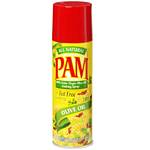
So, how is this info going to affect how I use olive oil?  I’m not sure imageyet.  I do  sauté food in extra virgin olive oil, but not usually at a very high heat, or in very great quantities. (I enjoy Pam Olive Oil spray, pictured right!) Free radicals are bad, but they are everywhere in our environment, and they are combated in our bodies by antioxidants found in fruits and vegetables (which I eat a lot of!).  Olive oil has so many other health benefits, such as being rich in healthy monounsaturated fats, that I hesitate to use less of it or switch to another oil.

What do you think? How concerned should we be about cooking with olive oil, or aged oils?

What is a Registered Dietitian?

Glad you asked! A Registered Dietitian is an expert in nutrition. Anyone can claim to be a “nutritionist,” but only a Registered Dietitian has had the proper training to be trusted to provide accurate, scientific evidenced-based nutrition information. RDs help translate the science behind nutrition into practical uses in everyday life (ie. FOOD!)

The training required to be a RD is:

1. Minimum of a Baccalaureate degree granted by a U.S. regionally accredited college/university or foreign equivalent.

2. Completion of a Commission on Accreditation of Dietetics Education (CADE) accredited Didactic Program in Dietetics. This accreditation program ensures all students receive the required education to be a successful dietitian. This includes classes in Clinical Nutrition, Community Nutrition, Foodservice Management, Public Speaking, Biology, Chemistry, Biochemistry and more.

3. An internship with a minimum of 900 hours of supervised practice. Interns must fulfill all required competencies required of an entry-level dietitian.

4. Complete a RD Certification Exam

5. Complete continuing education requirements throughout your career lifetime

6. Abide by the RD Code of Ethics

Whew! It’s a long haul, but worth it to be a Nutrition Expert!