Author Archives: Nicole Geurin, MPH, RD

Eat Right with Color

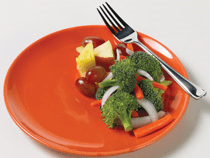
imageMarch is here, and that means it’s officially National Nutrition Month®!  I love this year’s theme, Eat Right with Color.  A wonderful way to boost the nutritional quality of your diet and improve your health is to add more colorful fruits and vegetables to your meals and snacks.  Different colored fruits and vegetables contain different types of cancer-fighting antioxidants, which is why we should eat a rainbow of colorful fruits and vegetables.

How many fruits and vegetables should we eat each day?

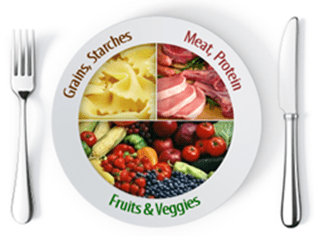
imageThe slogan used to be “5 A Day for Better Health,” but now we’ve discovered that’s not enough for most individuals to experience the maximum health benefits.  Today, the Produce for Better Health Foundation’s slogan is “More Matters,” because most people will improve their health by increasing the amount of fruits and vegetables they eat.  The new 2010 Dietary Guidelines for Americans recommends filling half your plate with fruits and vegetables at every meal and snack.  This will help ensure you’re eating enough nutrients and may help prevent overindulging in higher calorie foods.

Fill half your plate with fruits and vegetables.  Now, that’s Eating Right with Color!image

Nutrition and Breast Cancer

A dear relative of mine was recently diagnosed with breast cancer.  She asked imageme for this information, so I thought I would share it with everyone, in case you or someone you know is also battling breast cancer.

Breast Cancer-Fighting Diet Tips

  • Aim for 5-9 colorful servings of fruits and vegetables.  Fruits and veggies are loaded with healthful nutrients, fiber and antioxidants.  Be sure to include bright orange, dark green, and deep red fruits and vegetables.
  • Include 3-6 servings of whole grains each day.  Whole grain foods also contain important cancer-fighting nutrients.  Replace refined grains (white bread, white rice, etc.) with a variety of whole grain foods like brown rice, whole wheat bread/pasta, and popcorn.
  • Use garlic, curry, and other herbs and spices liberally when cooking.  These foods pack a cancer-fighting phytochemical punch!
  • Aim for a diet that is overall low in fat.  Especially limit fat intake from processed foods, high-fat dairy and red meat.  Include some healthy unsaturated fats from fish, nuts, flaxseed, olive oil and/or avocado.
  • Avoid alcohol or limit to 1 drink per day, max.  Alcohol has a role in promoting estrogen receptor-positive tumors.
  • Reduce the amount of sugary and refined carbohydrate foods you eat, like soda, candy, and dessert-like breads.  These types of foods fuel cancer cells.
  • Avoid supplements.  Get your nutrients naturally from food.  Supplements contain concentrated ingredients which may actually promote cancer.  A daily, regular multivitamin is probably okay.image
  • Soy intake has been found to be protective of breast cancer in younger women.  Soy intake is controversial in women with estrogen-positive breast cancer.  Considering all the evidence, I recommend avoiding soy supplements (e.g. protein bars and powders made from soy protein) but including up to 1-2 daily servings of whole soy foods (e.g. edamame or tofu) for women who are currently cancer-free.

Note: If you are currently undergoing cancer treatment, the most important thing to avoid is losing lean body mass.  You may experience changes in appetite and taste.  Try to a healthful meal, but if you are struggling, eat whatever you can or try nutritional supplements.

For additional information, check out these wonderful resources:

References:

Escott-Stump, Sylvia. Nutrition and Diagnosis-Related Care, Sixth Edition. Baltimore Maryland: Lippincott Williams & Wilkins. 2008.

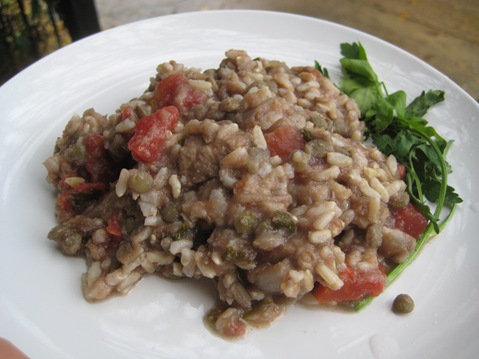
Nicole’s Favorite Recipe of All Time… Cumin Seed Stew

Today you’re in for a special treat… my favorite recipe of all time!  This has been a favorite of mine since I was 13 years old, and I have yet grow tired of it.  This recipe has more ingredients and steps than my other recipes, so I usually make it in large quantities.  Frequently, I’ll make a huge batch of this on Sunday and eat it all week long!

Ingredients:

  • 2 cups brown rice
  • 1 cup lentils
  • 1 Tablespoon olive oil
  • 1 small onion
  • 1 pound pork tenderloin or pork loin, chopped into bite-sized pieces
  • 3 heaping Tablespoons cumin
  • 1 Tablespoon Better than Bullion Low Sodium Beef Base
  • 3 cups hot water
  • 1 cup red wine
  • 1 large can diced tomatoes, low sodium
  • 1/4 cup corn starch
  • 8 oz mushrooms, sliced
  • 3 cloves garlic, chopped
  • 1 bunch cilantro, chopped

Directions:

  1. Cook brown rice and lentils according to package directions.  When finished, mix rice and lentils together. 
  2. In a large skillet or wok, heat olive oil and begin sautéing onions. Add pork and 1 Tablespoon of the cumin and cook, stirring frequently, until pork is almost cooked through. (About 4 minutes.) Remove pork from skillet and set aside.
  3. Mix Beef “Better than Bullion” and hot water.  Add to skillet.  (If skillet is not very large, you can switch to a pot at this point.)  Add wine and tomatoes.  Heat until almost boiling, stirring occasionally.
  4. Mix cornstarch and the remaining 2 Tablespoons of cumin with just enough cold water to make a thin paste.  Stir into skillet and allow sauce to thicken. 
  5. Add mushrooms and pork to sauce, and cook for 3-4 minutes.
  6. Add garlic and cilantro.  Add more cumin if desired to taste.
  7. Serve cumin seed stew on top of rice/lentil mixture.

Bon appétit!

IMG_1927

Craving more?  Click here for more of Nicole’s Healthy Recipes!

10 Tips to Stay Healthy on a Cruise

imageI love cruises. Cruises offer an abundance of fun activities, and an opportunity to explore new places. However, many people worry about gaining weight on their cruise vacation, because of the plethora of all-you-can-eat food. These ten tips will enable you to enjoy your cruise vacation while avoiding unwanted weight gain.

Healthy eating tips:

1. Bring some whole fruit from the buffet back to your stateroom to snack on in-between meals if you’re hungry. This nutritious snack will help prevent you from overeating at meals, and the sweetness may help keep you from reaching for seconds on dessert.

2. At dinner, consider trying the dishes recommended by the Spa. On many cruise lines, the healthiest choices are marked on the menu with the name of the ship’s spa or fitness facility. If it sounds appetizing, try it!

3. Eat mindfully.  Honor your body’s hunger, fullness and appetite cues.

4. Enjoy one delicious dessert per day. This is vacation, after all. If you’re feeling full by the time your dessert arrives after dinner, consider splitting it with a friend or just enjoying a few delectable bites.

5. Stock your mini-bar with your own healthy snacks.   Order snacks from room service, or smuggle items from the buffet. Yogurt, milk, chopped fruit and Swiss oatmeal (muesli) are some of my favorite snacks to stock. Don’t forget to smuggle some silverware as well!

Activity-related tips:

6. Plan an active excursion. Cruise ports of call provide a wonderful opportunity for an exciting, active adventure you will never forget. On my past cruise vacations, I have been hiking, snorkeling, glacier trekking, bicycling, horseback riding, rafting, kayaking, and surfing. Your cruise line will likely provide you with a list of recommended excursions at each place you visit. These excursions will be graded according to physical activity level. Choose the most active excursion within your physical abilities.

7. Stay active on sea days. Visit the fitness center, take a fitness class, walk around the deck, or tread water in the pool.

8. Take the stairs. Cruise ships provide an excellent opportunity for stair climbing. Give your metabolism a quick boost by taking the stairs to get to the next deck rather than waiting for the elevator. Challenge yourself to see how many flights your can climb.

9. Participate in cruise competitions. Cruise ships often hold competitions for valuable prizes such as luggage tags and T-Shirts. Competitions I have participated in on past cruises include ping pong tournaments, 3-on-3 basketball, scavenger hunts, dodge ball, water volleyball matches, and a Wii tennis challenge. Take a look in your schedule of daily activities to find a competition that interests you.

10. Go dancing. From line dancing, to ballroom waltzing, to nightclub boogying, cruise ships offer dancing opportunities to fit every style. Dancing is a great form of physical activity that makes exercise feel more like a party and less like a workout!

Nicole’s Healthy Homemade Granola

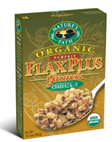
imageI love Nature’s Path Pumpkin Seed Granola, but at $3-4 per box, it was starting to get a little expensive.  So, I decided to make my own granola, and it is delish!  Here is the recipe:image

Ingredients:

  • 4 cups Old-fashioned oats
  • 1/3 cup canola oil
  • 1/3 cup honey
  • image1/2 cup chopped almonds or walnuts
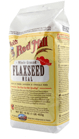
  • 1/3 cup ground flax seed (I like Bob’s Red Mill, pictured above)
  • 1/3 cup wheat germ (I like Kretschmer, pictured right)
  • 1 Tablespoon cinnamon

Directions:

  1. Preheat the oven to 300 degrees F.  Line a cookie sheet with waxed paper.
  2. Mix all ingredients in a large bowl.
  3. Spread granola onto cookie sheet and cook in the oven for 15-20 minutes or until desired crunchiness. 
  4. Remove from oven and allow to cool.

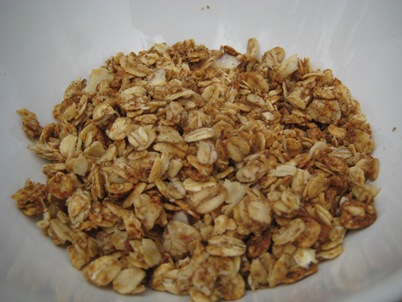
The result? A delicious and crunchy granola, good enough to give away as a holiday gift!

IMG_1907

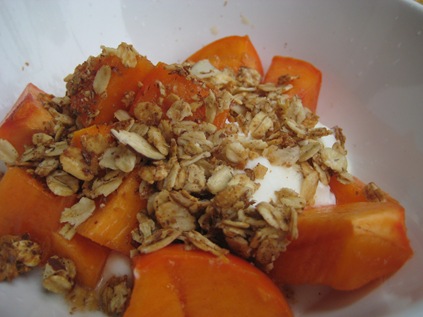
I like to enjoy my granola on top of plain, fat-free yogurt, with a drizzle of honey and a chopped Fuyu persimmon.  Heaven!

IMG_1917

Craving more?  Click here for more of Nicole’s Healthy Recipes!

Roasted Winter Vegetables

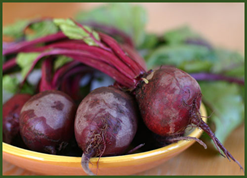
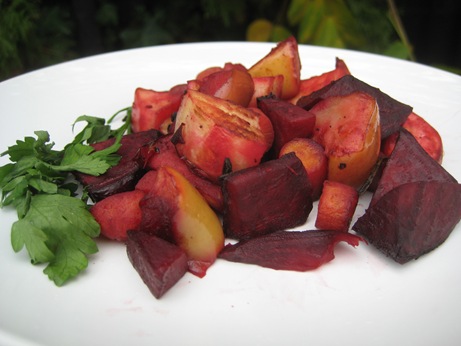
imageI never thought roasted winter vegetables could make my mouth water.  But, as I continue to experiment with new recipes, I continue to find new passions for foods I thought I disliked.  Take beets, for example.  The unwelcome canned beets I occasionally found on my salad at restaurants led me to believe I disliked all beets.  But fresh, oven-roasted beets, with their mildly sweet flavor and crimson crunch, I love.  You, too, might find you like them if you’re willing to give them a try.

Roasting vegetables is very simple, and practically fail-proof.  Here is the recipe I used today:

Ingredients:

  • Vegetables of your choice, chopped into bite-sized pieces.  (I used about 5 cups of carrots, parsnips, beets, and apples today.  Apples, while not a vegetable, roast quite nicely too.)
  • 1-2 Tablespoons olive oil or canola oil
  • 1 Tablespoon honey
  • 1 Tablespoon balsamic vinegar
  • 1 Tablespoon chopped herbs, like rosemary and sage

Directions:

  1. Preheat oven to 400 degrees Fahrenheit.
  2. Mix all ingredients in a baking pan or cookie sheet.  Spread out in a single layer.
  3. Cook in the oven, uncovered, for 30-40 minutes or until desired tenderness.

IMG_1906

The End of Overeating: Book Review

imageDavid Kessler’s The End of Overeating explores the psychological and biological reasons behind our tendencies to overeat. The main points argued in the book are:

1. Foods unnaturally high in sugar, fat and sodium can be addictive

Processed foods that contain added sugar, fat and salt stimulate the reward centers in our brains. This engages the opioid circuitry, a pathway that can create an addictive response and lead to overeating. Studies show that rats will work almost as hard for hyper-palatable food high in fat and sugar as they will for cocaine.

2. The food industry knows about these addictive properties, and capitalizes on them

Everywhere you go, you can find food companies promoting or selling foods high in sugar, fat and salt. French fries (the most popular “vegetable” in America), are made by taking a potato, deep frying it in fat and sprinkling it with salt. Dip that in ketchup (which contains sugar as a primary ingredient) and you’ve hit all three points: sugar, salt and fat. Many other foods popular foods feature sugar, fat and salt as primary ingredients as well: chocolate, ice cream, hamburgers, cookies, chips, salad dressing, soda, cake, fried chicken, cheese… the list goes on and on.

3. Stop overeating by taking steps to break free of the addiction to hyper-palatable foods

View calorie-dense foods in a new light- as something repulsive and unhealthy rather than desirable. It is possible to train your brain to respond differently to stimuli. Previously, cigarettes were viewed by most people as cool. Today, now that the health risks of tobacco are well-known, the majority of the population views cigarettes as unhealthy and undesirable. Through awareness of the unhealthy and addictive properties of calorie-dense foods, we can begin to view these foods differently as well.

Consciously seek whole foods that are nutritious and not addictive. Whole foods (like fruits, vegetables, whole grains, meat and dairy with minimal processing or unhealthy added imageingredients) contain fiber and other nutrients designed to fill you up for fewer calories. With time, your taste-buds will learn to appreciate the subtle, complex flavors of whole foods, and highly processed foods will seem monotone and overdone.

Serve yourself “just right” portions. With practice, we can learn to serve ourselves “just right” portions. A “just right” meal is one that will keep you satisfied for approximately 4 hours. It will typically contain 400-600 calories, on average. A “just right” snack will keep you hunger-free for about 2 hours. It will typically contain 100-300 calories.

At mealtime, serve yourself a “just right” portion, and put the rest of the food away. Mentally tell yourself this is just the right amount for you, and there is no need to go back for seconds. If you find yourself hungry again later, you can always serve yourself a “just right” snack.

Plan ahead, and take steps to avoid temptation. Don’t leave it up to chance or willpower when you’re hungry to refuse hyper-palatable food. Plan ahead by choosing healthy meals and snacks to eat in advance, and keeping them readily available. Take steps to avoid temptation by refusing to buy hyper-palatable foods at the grocery store, and avoiding restaurants or events where you know you will likely give in to temptation.

My impressions:

I disagree with a few aspects of this book.  One is using negative reinforcement to change behavior.  For example, the author recommends putting an unflattering photo of yourself on the refrigerator as a reminder to make healthy choices.  This practice is likely to do more harm than help.  Positive reinforcement is more effective and better for self-esteem.  Also, there is research showing that avoiding and depriving yourself of foods can trigger overeating.  I prefer the intuitive eating approach, which includes unconditional permission to eat.

Overall, The End of Overeating was a fascinating read.

Celebrate the Season with Fruits & Veggies

A guest post from Produce for Better Health Foundation.

imageThe arrival of the holiday season means it’s time for celebration. At this festive time of year a person can find themselves eating on the run, skipping meals, eating too much, or too often. Don’t neglect your health! Fill your belly with the fruits and vegetables of the season for a happy, healthy holiday.

Here are some tips for incorporating delicious and healthy fruit and vegetables dishes into your holiday.

  • Start every meal with a festive salad; top mixed greens with your favorite veggies, then add sliced apples or pears, dried cranberries, mandarin orange segments, or shiny pomegranate seeds. Delight your palette with unexpected salad ingredients like jicama or avocado. For another beautiful salad option, slice a variety of citrus fruits such as tangerines, grapefruits and naval oranges, top with torn fresh basil leaves, then drizzle with extra virgin olive oil.
  • Soup makes a great beginning for a meal and it’s a wonderful way to fill up without adding many calories, as long as you stay away from the cream-based type. A broth-based soup containing red bell peppers, orange carrots, yellow corn and green peas is warm, satisfying, and colorful.
  • Vegetable medleys make an attractive side dish expanding the meal’s flavor. Try adding a small amount of chopped nuts or fun shaped pasta to mixed veggies to make them more special than your average weeknight dinner fare.
  • Fruit can serve as the centerpiece at mealtime and then be passed around when it’s time for dessert. Slice off the leafy pineapple top, place it in the center of a platter and surround it with a combination of pineapple chunks, strawberries, grapes, kiwifruit, orange sections, apple slices or other fruit. Sprinkle with lemon or lime juice and toss on a handful of dried fruit or your favorite nuts.

There are other ways to incorporate fruits and vegetables into your holiday celebrations besides just on the menu.

  • Put out festive baskets or bowls filled with a beautiful arrangement of seasonal fruits & veggies as decorations at your next holiday get-together. Unlike flowers or other decorative displays, they can be eaten as part of post-party meals saving you the trouble of disposing of flowers.
  • Teach your child the spirit of giving by helping you donate non-perishable fruits & veggies to a local food pantry or homeless shelter. You can also suggest that they donate old clothes or toys they no longer play with as a way to make room for anticipated holiday gifts. This helps others while teaching your child a valuable lesson by letting them feel the joy of giving.

There are many wonderful recipes that feature winter fruits and vegetables. Balsamic Citrus Carrots and Crazy Curly Broccoli Bake are two festive side-dishes that will add a beautiful combination of colors and fun to the holiday table. If you’re looking for a few fun, yet educational gift ideas, surf over to www.pbhcatalog.com for some inexpensive items that make great stocking stuffers or gift exchange presents for all the young children and teachers on your list. More seasonal fruit & vegetable inspiration can be found online at www.FruitsAndVeggiesMoreMatters.org.

Happy Holidays to you and your families.

Butternut Squash Soup with Apples, Walnuts and Coconut

Three years ago, I never would have messed around trying to make a dish with squash.  But then, I tasted a butternut squash ravioli so delicious, it inspired me to tackle this laborious vegetable.  Today, I have found a simple trick that makes preparing squash a piece of cake:

Cook the whole squash in the oven for at least an hour before even attempting to mutilate it! 

Afterwards, the squash cuts like butter, and you can scoop out the insides and use them how you like.  Today, I used it to make a delicious butternut squash soup.  The apples, walnuts and coconut were added as an afterthought, but it gave the soup so much more flavor and depth.  Here’s how I did it:

Ingredients:

  • 1 butternut squash, cooked in a 375-degrees F oven for 1 hour
  • 4 cups low-sodium chicken stock
  • 1 cup cooked garbanzo beans
  • 1 teaspoon dried sage
  • 2 teaspoons curry powder
  • 1/2 cup skim milk
  • 1 apple, diced
  • 1/2 cup chopped walnuts
  • 1/2 cup shredded coconut

Directions:

  1. Scoop cooked squash flesh into a pot.  Add remaining ingredients and bring to a boil.
  2. Simmer for 20 minutes or until squash is tender.
  3. Transfer soup to a blender and blend until smooth, 2 cups at a time.
  4. Enjoy!

image

Healthy Holidays and Honey Roasted Parsnips

A guest post from Produce for Better Health Foundation.

ParsnipsNovember is here and winter celebrations are on their way. No matter what the holiday, the dining room table always seems to be the center of festivities. While everyone enjoys their traditional family recipes, it can be fun to incorporate new dishes to the meal and the options for delicious, healthy dishes are endless.

Some of the season’s best, like parsnips (pictured), turnips, and winter squash, are prefect additions to stews, soups and roasts. Other in-season items, like sweet potatoes, cranberries and pumpkin, are traditionally associated with celebratory meals.

Even if your families’ favorite fruits & veggies aren’t in season you can still enjoy them for the holiday because All Forms Count! Canned, frozen and dried fruits and vegetables can be less expensive than their fresh counterparts and are just as nutritious because they are processed immediately after harvest.

Fruits and vegetables may help reduce the risk of many diseases, including heart disease, high blood pressure, and some cancers. They are naturally low in calories and they provide fiber that helps keep your digestive system working well. Fruits and veggies are rich in vitamins and minerals that your body needs to feel healthy and energized. Everyone can benefit from eating more fruits and vegetables, so pledge to fill at least half of your plate with them!

Make the season come alive with the vibrant colors of fruits and vegetables. Before the meal, offer a vegetable tray that includes blanched asparagus or green beans, red and green bell pepper strips and your favorite colorful raw veggies. Serve a couple different flavors of low-fat dressing, hummus, or guacamole as dips. A variety of dips to choose from keeps everyone happy. Keep seasonal fruit on hand for delicious and nutritious snacks.

There are many wonderful recipes calling for autumn produce that can make an appearance on the holiday table. Sweet Potato and Pear Soup makes a delicious meal starter, and Honey-Roasted Parsnips are a great seasonal side dish. If you’re in search of help for hosting that big meal, look at our autumn entertaining hints, and check out our other recipes online at www.FruitsAndVeggiesMoreMatters.org too!