Author Archives: Nicole Geurin, MPH, RD

Eat Your Way to Happiness: Book Review

imageEat Your Way to Happiness, by Elizabeth Somer, MA, RD, is a fun read that is packed with good nutrition advice.  There is no doubt our lifestyle and food choices can affect our mood.  However, with my newfound Health at Every Size approach to health, I’m skeptical that this book will make you “blissfully thin,” a term to which the book constantly alludes.  I think that self-acceptance, combined with the habits promoted in the book, will make you blissful at weight that’s healthy for you.

Nevertheless, I highly recommend this book for it’s terrific nutrition advice and explanation of how food affects our mood.  Some of my favorite nutrition “secrets” in this book are:

  1. Eat Real 75% of the Time: “Eating real” means choosing foods that are as close to their natural form as possible, with minimal processing and refinement.
  2. Follow the 1-2-3 Rule for Breakfast:
    1. One to three servings of a quality, high-fiber carbohydrate
    2. Two servings of fruits or vegetables
    3. One protein or dairy
  3. Choose High Quality Carbs: As in whole grains, not refined.
  4. Adopt the 6% Solution: Aim for only 6% of your total calories to come from added sugar.  Not 25%, which is where the average American is at right now.  For a 2000-calorie diet, 6% translates to 30 grams (2 Tablespoons) of added sugar.  This does not include sugar found naturally in fruit or dairy, so eat plenty of these!
  5.  Sprinkle it with Super Mood Foods: Amp up your already healthy diet by sprinkling in some “super mood foods.”  These include:
    • Leafy greens
    • Nuts and legumes
    • Dark orange veggies
    • Berries and citrus fruits
    • And many more!
  6. The One Habit Your Must Embrace to Be Happy, Fit and Healthy: Exercise.  Period.  According to Somer, "Nothing you do will have as big an impact on your weight, as well as your mood and health both today and in the future, as exercise.”  Exercise gives you a natural endorphin rush, boosts self-confidence, fights fatigue, soothes stress and enhances sleep, all which lead to improved mood.

Learn more at the book’s website: Eat Your Way To Happiness.  Also available on Amazon.
Eat Your Way to Happiness Video

Health at Every Size

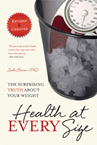
imageI recently finished reading Health at Every Size by Linda Bacon, PhD.  Bacon agues that promoting weight loss is ineffective in improving health over the long-term.  According to the book:
  • The vast majority of dieters regain their weight. There is no method proven effective for weight loss maintenance.
  • Research is emerging showing that fitness, not fatness, is associated more strongly with health and longevity (1,2,3).
  • Preoccupation with weight can be psychologically damaging and may lead to disordered eating (4,5).
  • People of any size can improve their health and reduce their risk of chronic disease by eating healthfully and being physically active, regardless of whether or not they lose weight (6,7)
  • No study has ever shown that weight loss actually prolongs life.

The Health at Every Size (HAES) approach emphasizes:

  • Self-acceptance regardless of weight, size, or shape
  • Physical activity for enjoyment and enhanced quality of life
  • Normalized eating in response to physiologic hunger and fullness cues rather than external guidelines or rules
  • An approach to healthy living that does not necessarily involve weight loss for overweight individuals

With the HAES approach, the fundamental principles of nutrition remain the same.  It’s still important to eat a variety of fruits, vegetables, whole grains, lean protein and unsaturated fats from mostly unprocessed sources.  It’s still important to eat breakfast and drink water.  If you follow these guidelines and lose weight, that’s fine.  But if you follow these guidelines and don’t lose weight, that just may be fine too.  What are your thoughts on HAES?

For additional information on HAES, check out:

Also check out this short clip by the Surgeon General, emphasizing a Health at Every Size approach:

References:

  1. Barlow CE, Kohl HW, Gibbons LW, Blair SN. Physical fitness, mortality and obesity. Int J Obes Relat Metab Disord. 1995;19(suppl4):S41-S44.
  2. Church TS, Cheng YJ, Earnest CP, et al. Exercise capacity and body composition as predictors of mortality among men with diabetes. Diabetes Care. 2004;27:83-88. Abstract
  3. Katzmarzyk PT, Church TS, Janssen I, Ross R, Blair SN. Metabolic syndrome, obesity, and mortality: impact of cardiorespiratory fitness. Diabetes Care. 2005;28:391-397. Abstract
  4. Gaesser GA. Big Fat Lies. Carlsbad, Calif: Gurze Books; 2002.
  5. Campos P. The Obesity Myth: Why America’s Obsession With Weight Is Hazardous to Your Health. New York: Gotham Books; 2004.
  6. Barnard RJ, Jung T, Inkeles SB. Diet and exercise in the treatment of non insulin dependent diabetes. Diabetes Care. 1994;17:1469-1472. Abstract
  7. Tremblay A, Despres JP, Maheux J, et al. Normalization of the metabolic profile in obese women by exercise and a low fat diet. Med Sci Sports Exerc. 1991;23:1326-1331. Abstract

Salad So Good, It Doesn’t Need Dressing!

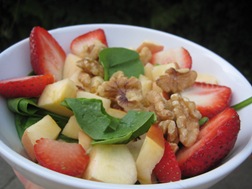
IMG_1627My mom is a unique chef, one that takes an “Everything But the Kitchen Sink” approach to cooking.  Like after Thanksgiving, when all of the leftovers end up in a giant batch off soup.  Somehow, she always seems to pull it off!  I look forward to that soup more than Thanksgiving dinner itself. 

This salad is my version of one of her recipes.  The key is not to skimp on any of the toppings!  That way, it is so flavorful that it really doesn’t need dressing.

Ingredients:

  • 6 cups spinach
  • 2 Fuji apples, chopped
  • Other seasonal fruit of choice, chopped (such as: strawberries, cherries, grapes, peaches, plums, oranges, pears, blueberries, figs, or persimmons)
  • 1/2 cup walnuts, chopped
  • I usually stop here.  But my mom would continue to add: feta cheese, hard boiled egg crumbles, dried fruit, almonds, arugula, chopped carrots, and anything else on hand

Directions:

Toss all ingredients in a large bowl.  Enjoy!

Food for Thought: The Key to Success

“Persistence, not perfection, is the key to success.”

image

Meal Planning Can Help Ease Crunched Schedules

A guest post from Produce for Better Health Foundation.

image Autumn is officially here. School has started and our schedules are tight. Some evenings it’s difficult to gather the entire family for a meal, much less find the time to prepare one! How do you ensure that healthy eating stays on top of your priority list?
Serving healthy meals and snacks can be easier than it seems – even for the busiest household. With a just a little planning, you can stay prepared for those last-minute meals and snack attacks that might otherwise send you running for the drive-thru. Planning ahead for snacks and meals that are both nutritious and delicious is the key to success.

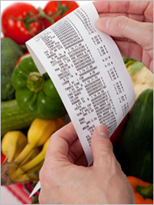
Making a weekly menu and shopping list is the best way to plan for healthy meals that include fruits and vegetables. Before heading to the store, plan out and write down what you and your family will be eating for the next week. It’s helpful to have the calendar with all the family member’s activity schedules within reach because this will dictate which day’s meals need to be made (and eaten) quickly.

imageWrite out a menu plan of what you want to eat and when. Then write down any  ingredients for those dishes that you don’t already have at home and you’ve just filled out your shopping list! Choosing all the meals and snacks in advance will enable you to make sure that everything you need to fix these dishes is purchased, saving you time by avoiding extra trips later in the week.

Don’t forget about all the work that the store can do for you to save you time on meal prep at home. A fresh cut veggie tray can be reapportioned into smaller containers once home to go in packed lunches for the whole family. A fresh cut fruit salad makes a great addition to breakfast, or buy a bag of assorted whole fruits for grab-and-go enjoyment. A bagged salad is quick to portion out. Add a rotisserie chicken and dinner’s almost complete!

Take advantage of extra time when you have it. Make a double batch of a veggie-packed casserole recipe or lasagna, then freeze half for a quick meal another day. Cook more ground beef or turkey than your recipe calls for, and then use the surplus to save time the next day.

If you’re looking for some new (and healthy) recipes to spice up your routine, check out the recipe section of www.FruitsAndVeggiesMoreMatters.org. Beef StroganoffThere is even a special section of recipes that can be made in 30 minutes or less! Here are two great recipes calling for autumn produce to get your meal planning started, Apple Chicken Stir-Fry and Beef Stroganoff.

Visit www.FruitsAndVeggiesMoreMatters.org for user-friendly advice on adding more fruits and vegetables to your diet; including, recipes, nutrition information, tips for getting kids to eat fruits and vegetables, and even videos. Follow Fruits & Veggies—More Matters on Facebook or Twitter to get the latest fruit and veggie news.

DIET-FREE: The Eight Habits That Will Change Your Life

image I recently discovered DIET-FREE, a healthy lifestyle program designed by Registered Dietitian Zonya Foco, and I am a fan.  If you want to get healthy while learning to embrace life and listen to your body, then this program might be perfect for you.

How does it work?  DIET-FREE consists of eight simple habits, that you work on adopting into your lifestyle one at a time.  The eight habits happen to spell out the acronym DIET-FREE:

Drink Water… and think before you drink anything else.

Include breakfast… and stop eating two to three hours before bed.

Eat often… and include a fruit or vegetable each time.

Tame your sweet tooth… so you will naturally eat as little sugar as possible.

Find the fat… and know the good, the bad and the ugly.image

Replace processed, chemically enhanced foods for wholesome, close-to-the-farm foods.

Eat only until you are no longer hungry.

Every day exercise… and make it your middle name.

And, Zonya reminds us: every once in awhile, when the urge or circumstance dictates, it’s okay to live outside the guidelines of these habits!

These are great principles; ones that I strive to live by. You rock, Zonya!  To learn more about DIET-FREE check out Zonya’s website.  And, for a convenient printable version of the eight habits, check out this DIET-FREE handout.

Nicole’s Daily Breakfast

About a year ago, I started eating oatmeal for breakfast.  And I haven’t stopped!  Oatmeal tastes great and gives you sustained energy throughout the morning.  I stick to the same basic recipe, but switch up the fruit to add variety.  Here’s what was in my bowl this morning:

Ingredients:

  • 1/2 cup quick cooking oatmeal
  • 1 ripe banana, chopped
  • 1 white peach, chopped
  • ~10 frozen blackberries
  • 3/4 cup skim milk
  • 1/2 teaspoon cinnamon
  • 1 Tablespoon flaxseed meal (optional)

Directions:

  1. Put oatmeal, fruit and milk in a bowl.
  2. Microwave on high for 4 minutes, or until oatmeal is desired consistency.
  3. Sprinkle with cinnamon and flaxseed meal (optional).  Stir and enjoy!

Next month, I may start enjoying my Fall Morning Oatmeal recipe again…

IMG_1583

Nicole’s Quick ‘n Healthy Eggplant Parmesan

Many traditional eggplant parmesan recipes contain take over an hour to prepare and contain a whopping 1200 calories!  My version, which I just invented tonight, takes 1/3 of the time and has 1/6 of the calories. And the taste? Amazing! Here’s how it’s done:

Ingredients:

  • 2 Tablespoons olive oil
  • 1 small onion, chopped
  • 1 large eggplant (or 2 small ones), thinly sliced
  • 1 cup mushrooms, sliced
  • 1 jar marinara sauce
  • 1 teaspoon Italian spice blend
  • 1/4 cup mozzarella cheese
  • Sprinkle of parmesan cheese
  • 1/4 cup chopped fresh basil (optional)

Directions:

  1. Heat olive oil in a large skillet.  Add onions and sauté for 1 minute.
  2. Add eggplant, mushrooms, marinara sauce, and Italian spices.  Cover and cook, stirring occasionally, until eggplant is very soft.  Cooking time varies depending how thinly you sliced the eggplant, but approximately 15-20 minutes.
  3. Add cheese and basil.  Stir and serve!

Serves 4. 

Nutrition information per serving: Calories: 200, Total fat: 11 g, Saturated fat: 2.3 g, Carbohydrates: 21 g, Fiber: 7 g, Protein: 6 g

IMG_1564

Food for Thought: Calorie and Cost Comparison

Snack Comparisons- calories and cost

Choose a healthy snack today and SAVE!

Get Your Kid’s Lunchbox Ready for Back-to-School!

A Guest Post from Produce for Better Health Foundationimage

  It’s August. This means that, even though your kids are still thinking about sleeping in and hitting the pool, you’re thinking about fitting school supplies and new shoes into the budget. There are several things you will need to remember to pick up to ensure your child has a successful first day of class; pencils and paper, maybe a new calculator, and lots of fruits & veggies! Back-to-school time is the perfect time to think about adding more fruits & vegetables to your family’s meals and snacks.

Taking care of your child’s nutritional needs is important. Your best bet to ensure that healthy items in their lunch get eaten, not traded for high-calorie, less nutritious foods, is to pack fun fruits & veggies in their lunchbox. Typically, food that can be eaten with their hands is fun for kids. Think baby carrots, grape tomatoes, sugar snap peas and celery sticks. Send along low-fat salad dressing to use as a dip or, for a change of pace, give them salsa, guacamole or humus as dips. Fruit can be dipped in low-fat yogurt or peanut butter.

Bananas are another great lunch option. They don’t need to be washed sliced and kids can peal them themselves. Grapes, cherries and berries already come in kid-friendly sizes, and don’t forget about dried fruits like raisins, apricots, cranberries and plums. You can even find dried papaya and pineapple for a tasty tropical treat. None of these options need refrigerated so they will be safe and delicious even after a few hours in a locker or cubby.

imageTry cutting food into fun shapes using small cookie cutters or just a paring knife.  Red bell peppers make pretty hearts or butterflies, and try turning yellow ones into stars. Several pre-cut and portion-packaged fruit & veggie items can also be found in your favorite supermarket. They provide a quick and convenient alternative to cleaning and trimming things yourself when packing lunch in a hurry.

A Thermos of vegetable soup can also pack quite a punch of nutrition and will warm your child up on a cold day. Even if you don’t have time to make soup from scratch, you can always improve on canned soups by adding additional frozen or canned veggies. This trick helps stretch soup farther and adds a boost of flavor and nutrition too.

imagePack lunchbox items in fun, kid-sized containers. Colorful small plastic bowls with lids are just perfect for toting child-friendly amounts of food. Put lettuce, tomato slices and pickles in a separate plastic baggie and let the kids add these items to their sandwiches right before they eat them. This keeps the sandwich from getting soggy. Toss your child’s juice box in the freezer before packing it. It will thaw enough to drink by lunchtime and help keep other items in their lunchbox cool until then. Make sure that the juice box you choose is 100 percent juice, not all of them are.
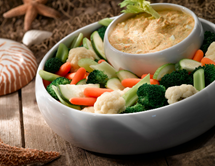
image  Like New Year’s Day, the first day of school is a time to begin again, a time to  set new goals and commit to small changes for the better. One of those changes should be eating more fruits and vegetables. Raisin Waldorf Salad (pictured above) and Carrot Tuna Vegetable Dip (pictured right) are two delicious, lunchbox friendly recipes that will help you fit more fruits and veggies into meals and snacks.

Visit www.fruitsandveggiesmorematters.org for user-friendly advice on how to add more fruits and vegetables to your diet; including, recipes, nutrition information, tips for getting kids to eat fruits and vegetables, and even videos.