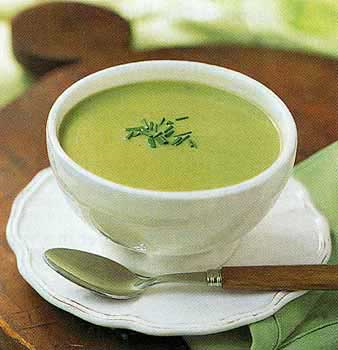
Author Archives: Nicole Geurin, MPH, RD

Corporate Wellness Success Story: Capital Metro

Capital Metropolitan Transportation Authority in Austin, Texas, has experienced huge health care savings (estimated 2.43 ROI) as a result of their comprehensive employee wellness program implemented in 2003.  The short video below documents their success story.

Some of Capital Metro’s key wellness program components include:

  • A Healthy Options Cafe, where at least 60% of food offerings are healthy choices, and these options are priced below less healthy options.
  • Cash incentives, for employees who achieve and maintain: healthy blood pressure levels, healthy blood glucose levels, decreases in body fat, improvements in cardiovascular endurance (measured by Vo2 max), or quit smoking. (Note: I no longer advocate using incentives to entice behavior change.)
  • An onsite fitness center, with $5/month membership fees, and access to free fitness assessments and personal training.

Reference:

Davis L, Loyo K, Glowka A, Schwertfeger R, Danielson L, Brea C, et al. A comprehensive worksite wellness program in Austin, Texas: partnership between Steps to a Healthier Austin and Capital Metropolitan Transportation Authority. Prev Chronic Dis 2009;6(2). http://www.cdc.gov/pcd/issues/2009/apr/08_0206.htm. Accessed  June 2, 2010.

Make Room on the Grill for Fruits and Veggies

A guest post from the Produce for Better Health Foundation.

Summer and grilling go together perfectly! Cooking outside on the grill offers plenty of advantages that make mealtime easy, convenient, and tasty. Preparation is simple, it requires minimal clean-up, and the kitchen stays cool. Add variety to meals and lighten up the menu by tossing some healthy fruits and vegetables on the grill.

There are several great reasons to grill fruits and veggies. USDA’s Dietary Guidelines for Americans 2010 recommends filling half your plate with fruits and vegetables at each meal and snack. Grilling is an easy, and tasty, way to fulfill that recommendation. Fruit naturally contains sugar and, when combined with the heat of the grill, it caramelizes, making the fruit taste even sweeter. Grilled vegetables are delicious, healthy, easy to cook, and they offer countless options from which to choose. Once you grill fruits and vegetables, their wonderful flavor will have you doing it again and again.

There are hundreds of different grilling ideas for fruits and vegetables. Grill peaches and nectarines then dice them and make a salsa by adding fresh herbs, chili peppers and lime juice. Grill corn on the cob by husking it, sprinkling on a mix of seasonings such as oregano, pepper, chili powder and salt with a touch of butter, then wrap in aluminum foil and grill until tender. Or grill your dessert! Slice pealed bananas in half lengthwise and sprinkle with cinnamon and brown sugar, place on aluminum foil flat side down, and let it sizzle. It’s unexpected and delicious!

Eating a colorful variety of fruits and veggies provides a wide range of valuable nutrients like fiber, vitamins and potassium, and most Americans aren’t eating enough of them. Grilling is a delicious and fun way to add more fruits and vegetables to your summertime meals.

The Fruits & Veggies—More Matters website, www.FruitsAndVeggiesMoreMatters.org, has even more tips on grilling fruits and vegetables and advice on gearing up for the grill. There you’ll also find user-friendly advice on how to add more fruits and vegetables to your diet; including, recipes, nutrition information, tips for getting kids to eat fruits and vegetables, and even videos. Check out the videos that discuss grilling peaches and nectarines, asparagus, watermelon, avocados, bell peppers, and even canned fruits & veggies!

GO, SLOW and WHOA Foods for Families

Everyone is buzzing about the new food symbol MyPlate, but how do you know exactly which foods you should buy to fill your family’s plates? The National Heart, Lung, and Blood Institute’s We Can ®! (Ways to Enhance Children’s Activity & Nutrition) program offers a great tool for easy, healthy eating: GO, SLOW and WHOA foods!  That is:


1)   GO Foods:  Nutrient-dense foods to be eaten almost anytime, like fresh fruits and vegetables, whole grains, beans, low fat dairy and water.

2)   SLOW Foods:  Foods to be eaten less (only sometimes), like white bread, oil, frozen yogurt, 100% juice and dried fruit.

3)   WHOA Foods:  Calorie-dense foods that should only be eaten once in awhile, like French fries, doughnuts, cookies, butter, soda, and other foods with added fats and sugars.

Using this printable GO, SLOW, and WHOA chart as a guide can make shopping, cooking, and healthy eating a whole lot easier for your entire family.  Post it on the fridge, or bring it with you on weekly trips to the grocery store.  And here’s a version just for the kids: “U R What U Eat.”

For more tips and ideas to build a healthy family, visit the We Can! website.

We Can! Ways to Enhance Children’s Activity and Nutrition, We Can! and the We Can! logos are registered trademarks of the U.S. Department of Health and Human Services (DHHS). Participation by Nicole Geurin, RD does not imply endorsement by DHHS/ NIH/ NHLBI.

What’s Cooking? Sunday, Part 3

1. Spicy Chicken and Spelt Salad

This weekend, I wanted to experiment with some exotic grains.  Exotic grains can be difficult to find, but most health food stores and co-ops have an abundance.  Spelt is the exotic grain featured in this recipe.  It is an ancient grain that is similar to wheat.  Kamut is a similar ancient grain, and I actually substituted kamut in this recipe.  Other substitutions I made to this recipe included toning down the spice and substituting tofu for chicken.  I also used a bagged shredded cabbage for convenience.  The result was very tasty!  I really like kamut; it has a rich, buttery flavor and a chewy texture.  Try it!

2. Swiss oatmeal 

I also started making Swiss oatmeal this week to change up my morning oatmeal routine.  This dish is served cold, making it perfect for a hot summer day. Stir together 2 cups uncooked oats with 1.5 cups low fat milk and refrigerate overnight.  In the morning, add slices of fresh fruit, chopped nuts, and sprinkle with cinnamon.  Serves 4.


Spaghetti Squash: Healthy, Easy, Fun!

I have a new love… spaghetti squash.  This nutrient-rich vegetable can replace pasta in any of your favorite recipes.  It adds a little color, a slight crunch, and will leave you feeling light and energized.

Here’s a quick and easy way to cook it in the microwave:

  1. Cut the squash in half.  This is the hardest part.  Use a good knife and a little force.
  2. Scoop out the seeds and toss.
  3. Place the squash halves cut-side down on a plate and microwave, for about 6-7 minutes per half.  (So if you do both halves together, it willtake about 12 minutes.)
  4. Allow it to cool, and then use a fork or spoon to tease out the spaghetti-like strands.
Top with your favorite pasta sauce and enjoy!  I really loved this recipe from AllRecipes.com.

Benefits of the Mediterranean Diet and Cookbook Give-Away

Did you know May is National Mediterranean Diet Month?  The Mediterranean Diet is not really a “diet” at all, but a way of living and eating that can promote a long and healthy life. To celebrate, I partnered with Oldways and the Mediterranean Foods Alliance, to write this post and also to provide a give-away of their cookbook, The Oldways Table.  Read on to learn more about the Mediterranean diet and enter to win the cookbook!
.

What is the Mediterranean diet?

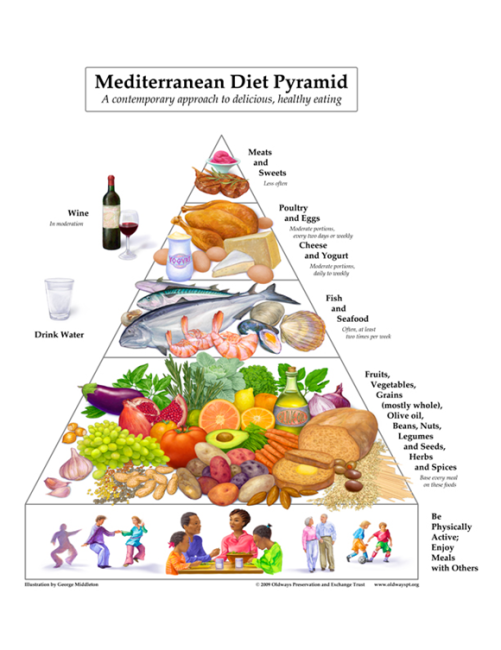
The Mediterranean diet is based on the eating habits of those living around the Mediterranean Sea.  The Mediterranean diet emphasizes fresh, plant-based foods, including whole grains, fruit, vegetables, beans, legumes, nuts, and olive oil. It also includes moderate amounts of fish and wine, but foods like red meat and sweets are saved for special occasions. The Mediterranean lifestyle also includes reasonable portion sizes and daily physical activity. Here is a depiction of the Mediterranean Food Pyramid:
image
What are the benefits of the Mediterranean diet?
Research has shown that people who follow the Mediterranean diet tend to have a decreased risk of cardiovascular disease, diabetes, depression, cancer, Alzheimer’s, and other chronic diseases.  Those following the Mediterranean diet have a relatively low intake of saturated fats and added sugars, and a relatively high consumption of healthy unsaturated fat, fiber, and other essential nutrients.
.
Tips to go Mediterranean
The best way to “go Mediterranean” is to view the Mediterranean diet as more of a lifestyle change rather than a “diet.”
  1. Begin by incorporating fish into your meals at least twice a week.  
  2. Aim to try a few vegetarian meals rather than having the main focus of a meal be meat, such as steak.  
  3. Reduce the amount of processed foods you eat, and replace refined grains (like white bread and white rice) with whole grains (like whole wheat bread and brown rice).
  4. Include fruits, vegetables, and minimally processed whole grains at most meals.
For more information on the Mediterranean diet, including recipes, menus and tips, visit Oldways Med Resources.
.
Enter to Win the Cookbook!

To enter to win this cookbook, please do the following:
  1. Write a comment to this post and link to a Mediterranean-style recipe on the web.
  2. Share this post with others via a social networking site, like Twitter, Facebook, or your own blog.

I will randomly select a winner by June 1st, 2011, and will put you in contact with Oldways to receive your book.

Making Mealtime Fun

I wrote this post as a participant in the Eat, Play, Love blog carnival hosted by Meals Matter and Dairy Council of California to share ideas on positive and fun ways to teach children healthy eating habits. A list of other registered dietitians and moms who are participating in the carnival will be listed at the bottom of this post or can be found on Meals Matter.

As a dietitian with the KidShape program, I have learned the magic of making mealtimes fun in helping kids to eat healthier.  Here are some tips I’ve learned from KidShape families:

  • Eat meals together, as a family, as often as possible.
  • Make mealtimes pleasant.  Sit at the table, and thank the cook for preparing the meal.
  • Turn off the TV, so families can fully enjoy the food and the company.
  • Invite kids to help with the cooking.  This can be especially fun when preparing a kid-friendly meal, like homemade pizzas on whole wheat pita bread.
  • Be a good role model.  If kids see their parents enjoying nutritious foods, and contributing to a positive atmosphere at the dinner table, they will learn to do the same.
  • Take it slow.  Kids need to be exposed to food numerous times before they are willing to accept it.
What other tips have you found help make mealtimes fun?                                                      
Don’t stop here! Join the carnival and read other Eat, Play, Love blogs from dietitians and moms offering the best advice on raising healthy eaters. And if you don’t get enough today, for more positive, realistic and actionable advice from registered dietitian moms, register for the free, live webinar Eat, Play, Love: Raising Healthy Eaters on Wednesday, May 18.                                                                           

The Best-Kept Secret for Raising Healthy Eaters, Maryann Jacobsen, MS, RD
Feeding is Love, Jill Castle, MS, RD, LDN
5 Quick Ways to Prepare Veggies with Maximum Flavor, Dayle Hayes, MS, RD
The Art of Dinnertime, Elana Natker, MS, RD
Children Don’t Need a Short Order Cook, Christy Slaughter
Cut to the Point – My Foodie Rules, Glenda Gourley
Eat, Play, Love – A Challenge for Families, Alysa Bajenaru, RD
Eat, Play, Love ~ Raising Healthy Eaters, Kia Robertson
Get Kids Cooking, Jessica Fishman Levinson, MS, RD, CDN
Kid-Friendly Kitchen Gear Gets Them Cooking, Katie Sullivan Morford, MS, RD
Kids that Can Cook Make Better Food Choices, Glenda Gourley
Making Mealtime Fun, Nicole Geurin, RD
My No Junk Food Journey – Want to Come Along? , Kristine Lockwood
My Recipe for Raising Healthy Eaters: Eat Like the French, Bridget Swinney MS, RD, LD
Playing with Dough and the Edible Gift of Thyme, Robin Plotkin, RD, LD
Picky Eaters  Will Eat Vegetables, Theresa Grisanti, MA
Raising a Healthy Eater, Danielle Omar, MS, RD
Putting the Ease in Healthy Family Eating, Connie Evers, MS, RD, LD
Raising Healthy Eaters Blog Carnival & Chat Roundup, Ann Dunaway Teh, MS, RD, LD
Soccer Mom Soapbox, Sally Kuzemchak, MS, RD
Teenagers Can Be Trying But Don’t Give UpDiane Welland MS, RD
What My Kids Taught Me About Eating Mindfully, Michelle May, MD

Increase Children’s Fruit & Veggie Consumption with a Smile

A guest post by the Produce for Better Health Foundation.

A new study suggests that if parents smile while eating something that they want their children to eat that those kids are more likely to try it. Researchers found that how much children wanted to eat a particular food was influenced by emotions displayed by people eating that food.

These results build on a study published in late 2008 in the journal Preventive Medicine suggesting that parents can increase the amount of fruits and vegetables their children eat simply by eating more themselves. In this study, researchers found that when parents increased their own consumption of fruits and veggies, their kid’s consumption rose as well.

Parents have a tremendous influence on what their children eat. These studies demonstrate that this influence extends from simply making fruits and vegetables available for their children, to modeling their own enjoyment of eating a healthy diet.

Shape your kid’s eating habits and help them develop a healthy attitude toward food by making sure they see you eating plenty of nutritious, delicious, fruits and vegetables.

Here is some good advice for parents:

  • Show kids how enjoyable healthy foods can be with comments like “Wow, that tastes good!” or “Look how colorful!”
  • Set an example by being a good role model. Eat the way you want your child to eat. Choose a variety of healthy foods from all the food groups, eat in moderation and make exercise part of your regular routine.
  • Don’t ban foods. Kids will encounter cookies, chips and other treats when they’re away from home. Allow them to explore, but at the same time teach them what their bodies need. The goal is to enjoy a varied healthy diet, which allows for occasional indulgences.
  • Get kids in the kitchen. From an early age, involve children in preparing food. Children love being involved; they love feeling like they’re helping. If they feel they’re part of the process, they’re more likely to try the finished product.

Try making Crazy Curly Broccoli Bake for dinner. It’s one of the kid-friendly recipes you’ll find on the Fruits & Veggies—More Matters website.

More ways to get children to eat more fruits and veggies can be found at the Fruits & Veggies—More Matters website, www.FruitsAndVeggiesMoreMatters.org. Parents will also find a database of over 1,000 recipes, many of which can be made in 30 minutes or less, and tips for eating healthy on a budget. The entire website was designed to help the whole family easily fit more fruits & veggies into their meals and snacks.

What’s Cooking? Sunday, Part 2

Every Sunday, I take time to prepare 1-2 dishes to last me throughout the week.  It’s a great strategy for busy people who still want to eat nutritious meals.  Here’s what I’m cooking today.

image

1. Capellini with Shrimp and Creamy Tomato Sauce

This top rated recipe from Epicurious is delicious.  I used evaporated skim milk mixed with a little cornstarch in place of the heavy cream.  Regular, low-fat milk probably would have worked too.  I also threw in 2 cups of baby spinach to add some extra color and emulate the seafood pasta at my favorite Sacramento Italian restaurant, Lucca.image

2. Cream of Asparagus Soup

Another gem from Epicurious.  For this one I did use 1% milk mixed with a little cornstarch in place of the heavy cream.  Next time, I plan to throw in a little garlic for some extra flavor.  Yum!

What’s Cooking? Sunday

imageEvery Sunday, I take time to prepare 2 dishes to last me throughout the week.  It’s a great strategy for busy people to eat healthfully.  Here’s what I’m cooking today (click the links to get the recipe):

1. French Spring Soup

This recipe turned out great.  I love finding highly rated recipes on Allrecipes.com.  I substituted olive oil for the butter and evaporated skim milk for the heavy cream to make this recipe healthier.  I also threw in some spices like garlic, basil and poultry seasoning to jazz it up.

2. Moroccan Chicken

This dish also turned out delightful.  I used chicken breasts instead of chicken thighs, doubled the spice recommendations and threw in some diced zucchini and a can of diced tomatoes to add some color and nutrients.

Here’s how my revised preparation steps looked:

Heat olive oil in a large Dutch oven over medium-high heat.  Add onion to pan; sauté for 3 minutes or until tender. Dice chicken into 1-inch cubes and add to onions.  Add ginger and next 6 ingredients (through garlic); sauté until chicken is lightly browned, about 4-5 minutes. Stir in broth, scraping pan to loosen browned bits. Bring to a simmer.  Add chicken, chickpeas, apricots, zucchini and tomatoes. Cover, reduce heat, and simmer 40 minutes or until chicken is tender.  Serve with whole wheat couscous or quinoa.  (Note: Quinoa is a whole grain that is also a complete protein!  It cooks just like rice and tastes delicious.)