Author Archives: Nicole Geurin, MPH, RD

EurAsian Secrets to a Healthy Lifestyle

How do individuals living in Asian and European countries maintain good health without sacrificing great-tasting foods? The secret is… they don’t diet. Instead, they embrace food as fuel and eat real, whole foods that are packed with nutrients. Here are some key tips from both cultures to help you live a little healthier.

Continue reading

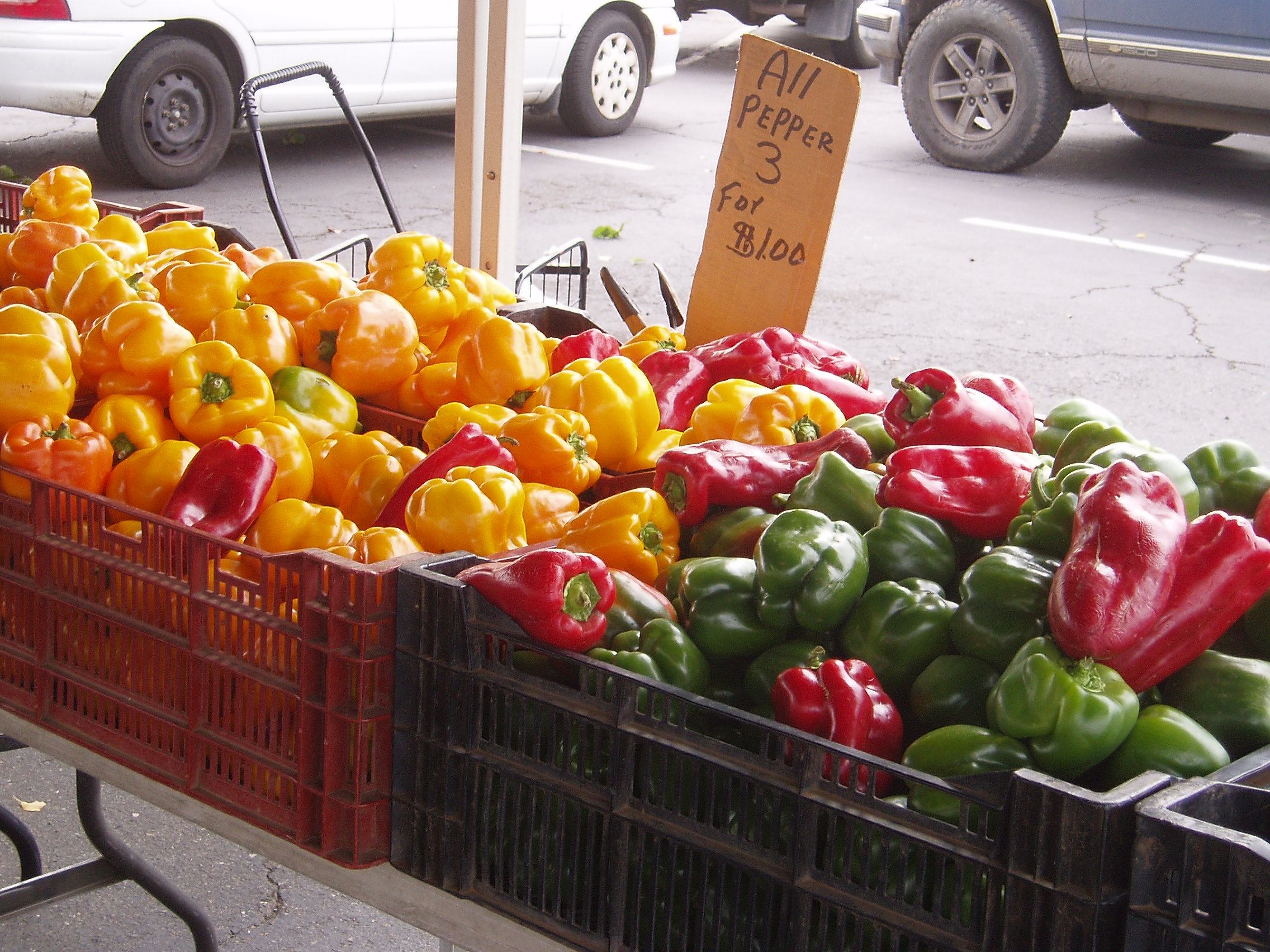
Pasta Primavera: Fresh, Local and Healthy

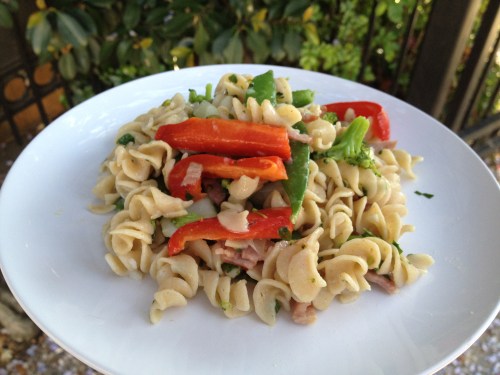
This delicious pasta recipe embodies the flavors of spring.  I bought the vegetables in this recipe from the local farmer’s market and all other ingredients from Nugget Market.  I enjoyed it all week long, served either hot or cold.

Continue reading

100 Nutrition Tips

Today, I have reached a blogging landmark: my 100th post!  In honor of this occasion, I have decided to share with you 100 nutrition tips. Each tip is from one of my previous posts, starting with my very first post and working up to today.  Each tip’s number links back to the original post.  If you see a tip you like and want to read more, just click on the number.  Enjoy!

Continue reading

Coo-Coo for Coconuts?

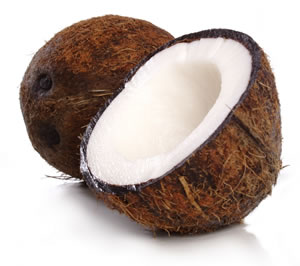
You may have heard some buzz lately about the nutritional benefits of coconuts.  Is there any truth to the hype?  Read on to find out…

Coconut Oil

Currently, the jury is still out on whether coconut oil is good or bad for you. For years, experts have been advising people to minimize their consumption of saturated fats. Although olive oil and other unsaturated plant oils are generally considered to be healthier sources of fat, new research suggests that the saturated fat found in coconut oil may be healthier than other saturated fats.

The fatty acids contained in coconut oil are made up primarily of medium-chain triglycerides (MCT) whereas animal-based saturated fat sources (like those found in beef or cheese) are comprised of long-chain triglycerides (LCT). Researchers have found that MCTs are more easily metabolized than LCTs and virgin coconut oil has not been shown to negatively affect cholesterol levels. Long-term research is needed to determine whether coconut oil, like other saturated fats, raise the risk of heart disease and stroke.

Coconut water

Coconut water, not to be confused with coconut milk, does not contain any of the saturated coconut oils described previously.  Coconut water has been become popular recently as a natural substitute for energy drinks because it contains sugars, water, electrolytes, and more potassium than Gatorade. Additionally, coconut water contains healthy compounds like selenium, which has been shown to fight cancer in laboratory research.

In fact, a 1996 study by Dr. Larry Clark of the University of Arizona showed just how effective selenium may be in protecting against cancer. In this study of 1,300  people with histories of skin cancer, the occurrence of cancer among those who took supplements of selenium daily was reduced by 35% compared to those given a placebo. Cancer deaths for those taking the selenium were cut almost in half, according to the study that was published in the Journal of the American Medical Association.

Conclusion

In conclusion, coconuts have some excellent nutritional benefits when consumed in moderation.  You won’t see me going “coo-coo” for coconuts, but you can bet I’ll enjoy a fresh one next time I’m in Hawaii.

This article with written with assistance from Katrina Evans, a recent college graduate and aspiring writer. She enjoys making a difference in people’s lives, and is especially passionate about helping others prevent cancer.  Katrina is a “fruit junkie” who also enjoys reading, staying fit, and listening to podcasts.

Whole Foods for Better Health

Nutrition advice can seem confusing, but in reality, it can usually be boiled down to one simple piece of advice: Enjoy a variety of whole foods for better health.

What are “whole foods?”

Whole foods are foods that are as close to their natural form as possible, with minimal processing and refinement.  Foods created by mother nature contain countless nutritional benefits, such as fiber, vitamins, minerals, and antioxidants.  Foods created by humans in a laboratory (processed foods) contain only a few of those nutrients, and usually a great deal more of unhealthy additives, such as sodium, trans fat, preservatives, and added sugar.

Whole Foods vs. Processed Foods

The below list shows some examples of whole foods vs. processed foods.  The best, whole food choices are in the left-hand column.  The more processed the food, the fewer nutrients and greater number of unhealthy added ingredients it contains.

Whole Food Processed Food Highly Processed Food
Apple Apple juice Apple-flavored fruit chew
Baked potato Instant mashed potato French fries, potato chips
Brown rice White rice Rice-a-Roni
Chicken breast Chicken deli meat Chicken nuggets
Corn Corn flakes, tortilla chips Soda (contains high fructose corn syrup)
Edamame (soybeans) Soy protein powder Energy bar, margarine (partially hydrogenated soybean oil)
Nuts Roasted, salted nuts Nutter Butter cookie
Oatmeal Instant oatmeal Chewy oatmeal bar
Whole grain pasta Regular (refined) pasta Ramen noodles
Whole wheat flour White flour Donut, cupcake

Finding Whole Foods

Check the list of ingredients:  In general, healthier food products contain a short list of ingredients that sound like food (and not like chemicals).  Healthy ingredients to look for include: whole grains, fruits, vegetables, and skim milk.  Ingredients to watch out for include: sugar, high fructose corn syrup, hydrogenated oils and enriched flour.  Keep in mind that some of the healthiest food items do not contain nutrition labels at all, like fruits and vegetables!

Find a farmer’s market: Visit your local farmers market for some of the best-tasting whole foods on the planet.  Visit http://www.localharvest.org/farmers-markets/ for market times and locations.

Enjoying Whole Foods

If you are accustomed to eating highly processed foods, it may take a little while for you to learn to appreciate the taste of whole foods.  Your taste-buds are likely used to intensely sweet or salty flavors, rather than the subtle  complexities of whole foods.  Hang in there!  The average life-span of a taste-bud is 3 weeks. You can train your taste-buds to appreciate whole foods.  Here are some tips to help you out:

  • Spice it up!  Spices can add flavor and nutrition to food.  Cinnamon, allspice, cloves, cardamom, mace or nutmeg bring out the sweetness in whole foods.  Black pepper, garlic, curry, cumin, basil, ginger, and onion can replace salt and bring out savory flavors.
  • Try new cooking methods:  Cooking whole foods (like fruits and vegetables) can bring out their natural sweetness.  Experiment with multiple cooking methods and recipes before deciding that you dislike a food.   Try foods grilled, poached, steamed, roasted, baked, or sauteed.  Some examples include:
    • Grilled peaches, apples or pears sprinkled with cinnamon
    • Steamed green beans drizzled with olive oil and toasted almonds
    • Eggplant and zucchini stewed in tomato sauce or pesto
    • Roasted corn on the cob
    • Mixed Asian vegetables sauteed with garlic and ginger
  • Keep it convenient: Eating whole foods doesn’t have to be time-consuming or inconvenient.  Try some of these time-saving whole foods and cooking techniques:
    • Pre-chopped vegetables for stir-fry
    • Whole fruit and nuts: easy grab-and-go snacks that require no prep-work
    • Quick-cooking oatmeal or instant (par-boiled) brown rice
    • Whole-grain bread for sandwiches or toast
    • Bagged salad kits
    • Fish filets and chicken breast cook in minutes on a George Foreman grill
    • Cook a large batch of soup, stew or chili and enjoy all week long

How do you find and enjoy whole foods?

If you liked this post, you might also enjoy:

Ten Healthy Choices for Super Bowl Sunday


Delicious snacks for your Super Bowl party don’t  have to be unhealthy.  Try out these ten heart-healthy choices that are sure to please!
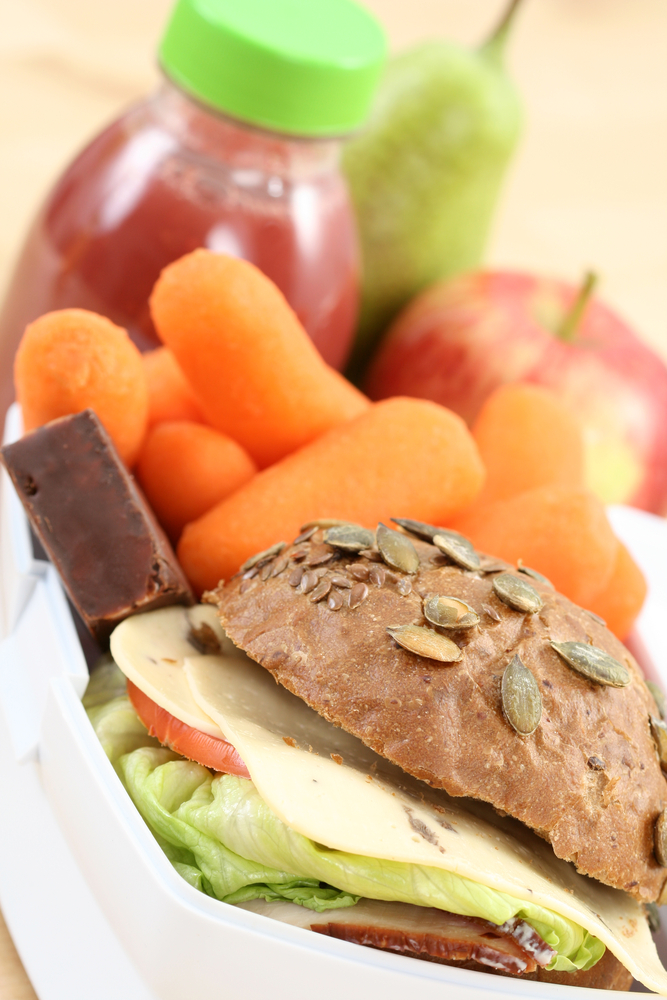
  • Fruits and Vegetables: Colorful fruit and vegetable trays are the perfect snack food for any Super Bowl party.  They are simple, versatile, and packed with nutrition.  For fruit trays, try sliced apples, oranges, grapes, pears, strawberries or bananas.  Carrots, celery, broccoli, snow peas, bell pepper strips, cauliflower, and cherry tomatoes make excellent vegetable platters.  Serve with any of the following heart-healthy dips:
    • Bean dip or hummus: Beans are rich in fiber and protein, making them a healthy and filling dip.  Try making a simple hummus by blending the following ingredients in a food processor until creamy: 2 cans chickpeas, juice from 1 lemon, 3 roasted red-peppers, 1 clove garlic, 2 tablespoons olive oil.
    • Salsa: Salsa makes a great dip for vegetables.  It is low in calories, and high in lycopene, an antioxidant in tomatoes.  For a creamy salsa, try mixing in some plain, low fat yogurt.
    • Guacamole: Although higher in calories, guacamole is rich in heart-healthy fats.  Give your guacamole an additional nutrition boost by adding extra chopped tomato, onion, cilantro, bell pepper or cucumber.
    • Yogurt Fruit Dip: As a dip for your fruit tray, try mixing 1 cup low fat vanilla yogurt with 2 tablespoons of honey and a dash of cinnamon.
  • Nuts: Nuts are rich in magnesium, vitamin E, and heart-healthy fats.  Look for raw, unsalted or lightly salted varieties of your favorite nuts.  Serve alone, or make a trail mix with whole grain cereal and dried fruit.
  • Air-popped popcorn: Popcorn is a whole grain that only contains 30 calories per cup when it isn’t drenched in butter.  Try spritzing with nonstick spray, and sprinkling with oregano, black pepper, and parmesan cheese.
  • Chili: Warm up with a hearty chili that is packed with flavor and nutrition by adding extra beans, tomatoes, corn or onions to your recipe.  Try vegetarian, ground turkey, or a white chili with chicken as an alternative to beef.
  • Water and other alcohol-free drinks: For something fun, try spritzers made with sparkling water and a splash of 100% fruit juice.
  • Angel food cake:  Looking for a lighter dessert to serve?  Try angel food cake topped with fresh berries and fat-free whipped cream.

5 MORE Healthy Meals in 5 Minutes or Less

My original 5 Healthy Meals in 5 Minutes or Less were so popular, I decided to make a sequel.  These 5 MORE Healthy Meals in 5 Minutes or Less feature all-new recipes that are just as fast, healthy and delicious.  They include:

The George Foreman Grill is great for fast and healthy meals!

  • Fruit-Infused Oatmeal
  • Shrimp and Zucchini Saute
  • Black Bean and Corn Salsa
  • Grilled Fish Tacos
  • Grilled Bananas
These recipes use the microwave, a George Foreman grill, or the stove for quick, healthy cooking.  Enjoy!
Check out Nicole’s entire collection of healthy recipes here.

Q&A with the Dietitian: Low-Sodium Lunch and Snack Ideas

Healthy lunchI recently received the following question from a blog follower:

Q: My husband is on a low-sodium diet.  He is a schoolteacher, so I am trying to find low-sodium lunch and snack ideas to pack him when he goes back to school.   He used to eat sandwiches with deli lunchmeat, but these are very high in sodium.  Do you have any low-sodium lunch and snack ideas?

A: You are correct that deli lunchmeat is typically loaded with sodium.  It also frequently contains nitrates, a preservative that is linked to an increased cancer risk.  One tip I have heard from another dietitian for sandwiches is to cook up a whole turkey like it were Thanksgiving, and then carve it and freeze the cutlets for sandwiches.  One turkey should provide low- sodium lunchmeat for months!  I’m sure you could do this with other types of meat as well.

I am also a big fan of dinner leftovers for lunch if he has access to a microwave.  I pack a tupperware with the leftovers and keep it cool with an ice pack in my lunch box.  Usually, I cook 1-2 meals on Sunday and portion them out for the entire week.  I also cut up carrots, cucumbers and bell pepper and portion them out in tupperware containers for the week too.

Snack ideas include: fresh fruit, a handful of raw nuts, plain yogurt with fruit (and a little sweetener, artificial or Truvia if you want to avoid the sugar), low-sodium string cheese, peanut butter and celery, humus and vegetable sticks or low sodium Triscuts.

You also might check the labels of some canned tuna and see if you can find a brand that would fit the bill.  A peanut butter and low-sugar jelly sandwich can also be good for a quick meal or snack.

The best way to cut sodium in your diet is to eat more whole, unprocessed foods (like fruits, vegetables, whole grains, beans, nuts, fresh meat and milk/yogurt) and to eat fewer highly processed foods.

Do you have a nutrition question you would like to ask?  Post it here in the comments section and I may turn it into a blog post!

How to Start a Walking Club at Work

Are you having trouble motivating yourself to exercise after a long day of work? One great way to start exercising is to create a walking club at work.  Organizing a walking club at your workplace is an easy, fun and inexpensive way to exercise.  Not only is exercise good for your body, but it can improve concentration, decrease stress, and help make the workday go by faster too!  Walking with a group makes exercise fun, which increases the chances you’ll stick with it.

Follow these easy steps to get your walking club started:

  1.  First, ask for management support.  A walking club benefits your employer too, by keeping employees healthy and boosting productivity.  Ask management to show their support by joining the club, or by purchasing an occasional incentive for club members, like pedometers.
  2. Next, get the word out. Post flyers, send out emails and ask your friends to join you on a walk everyday (even if it’s only for a short time!).  News travels fast, and the more people that        join, the more motivated your co-workers will be to join in too. Make sure to pick a time that works for the majority of members.
  3. Mix it up. Walking clubs are meant to be fun and low-key, but it may be fun to hold a contest or challenge between departments or groups within your company. Try challenging each department to see who can get the most walkers to participate in the walking club everyday for a week.  Ask management if they would give the winning group a prize.

For more information on how to get a walking club started in your workplace, check out this Guide from the Network for a Healthy California, or watch the video below.

http://www.howcast.com/flash/howcast_player.swf?file=237710

Recipe: Slow-Cooked Moroccan Chicken

IMG_2896 (1)

This is one of my favorite recipes… no chopping required!  Serves 8.

Ingredients:

  • 12 boneless, skinless chicken thighs
  • 4 cups tomato salsa
  • 1/4 cup dried currants or raisins
  • 1/4 cup honey
  • 1/2 teaspoon ground cumin
  • 1/2 teaspoon ground cinnamon
  • 1 cup whole wheat cous-cous

Directions:

  1. Mix all ingredients (except cous-cous) in slow cooker.
  2. Cook on high for 2-3 hours or until chicken is cooked through.
  3. Add the cous-cous in the last 5 minutes of cooking.